法证先锋3
Xizang cultural group rejects India’s illegal renaming of 27 places, including birthplace of Sixth Dalai Lama_我的网站

A |
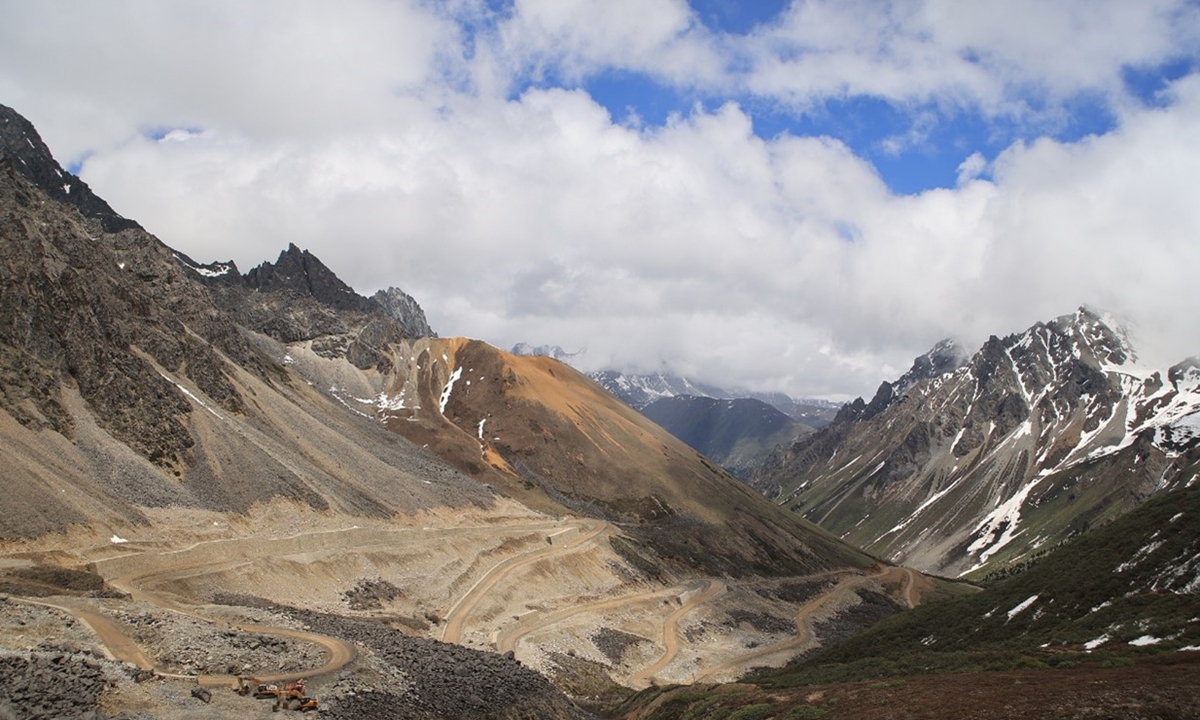
A Xizang-based cultural research association recently issued a statement firmly rejecting India's recent move to unilaterally rename 27 places in China's Xizang region, saying the action is an attempt to distort history, fabricate geographical claims and undermine China's territorial sovereignty.
Recently, India unilaterally and illegally announced the so-called "standard names" for 27 locations in China's Zangnan, deliberately altering China's established place names and fabricating false geographical designations in an attempt to cement its illegal occupation of the area. In response, the Xizang Tsangyang Gyatso Culture Research Association issued a solemn statement based on historical documents and regional cultural facts, stressing that such actions are illegal and invalid, run counter to historical facts, and cannot be accepted, tibet.cn reported on Thursday.
The Mon-yul, Lhoyu and Zayu areas in Zangnan have been under administration of China's Xizang since ancient times. Successive central governments and local authorities in Xizang have maintained continuous, effective and well-documented governance over the region. The so-called "Arunachal Pradesh" is an illegal administrative entity unilaterally established by India based on the illegal and invalid "McMahon Line," with no historical, legal or cultural basis. China has always firmly refused to recognize it, the association said.
Place names serve as important carriers of territorial sovereignty, regional history and ethnic cultural heritage. Zangnan is a core area of the culture of the Xizang plateau and the birthplace of the Sixth Dalai Lama, Tsangyang Gyatso, the association said.
The traditional place names in the region have been passed down through generations, documented in historical texts and traced through cultural traditions, serving as vivid cultural evidence of China's territorial sovereignty over the area. India's forced replacement of traditional place names is essentially an attempt to distort history through administrative means, sever cultural links and undermine China's sovereignty. It disregards historical truth and damages the inheritance of civilization, it noted.
The association firmly supports the authoritative position of the Chinese Foreign Ministry and strongly rejects India's unilateral provocative actions. Any political manipulation aimed at altering place names or fabricating claims of sovereignty cannot change the undeniable fact that Zangnan belongs to China.
The association will continue to systematically compile historical place names, ancient records and cultural heritage from Zangnan, clarify facts and spread the truth, while resolutely safeguarding territorial integrity and the dignity of regional culture in China's Xizang, it said.
。

B | 那么,医药代表到底是做什么的,又为什么不让进入医院?

图/视觉中国
一记警钟首先需要搞清楚的是,什么是医药代表。

C | 医药代表这一角色,是连接药企和临床端的重要桥梁。药企有什么新的研发动态,或开发了什么新药,都需要依赖他们传递给医务人员。

D | 但由于这一职业同时自带“销售”属性,在医院环境中难免处于一个微妙的位置。《关于暂停有关药品的协办函》显示,来自江苏艾力斯生物医药、北京康蒂尼药业、赛诺菲(北京)制药,以及安进生物医药四家药企的医药代表,违反了湘雅二医院《医药代表管理制度》中“三定三有”的合规接待标准。

E | 所谓“三定三有”,即医药代表来访“定时间、定地点、定人员”,“有接待预约、有接待流程、有接待记录”。作为惩罚,四家企业的甲磺酸伏美替尼片、吡非尼酮胶囊、甘精胰岛素利司那肽注射液(3ml),地舒单抗(60mg)被暂停采购和使用,期限为三个月。并且这四家药企还被列入了医院医药购销负面清单,在医院药学部备案。这几种药物中,最受关注的是甲磺酸伏美替尼片(简称“伏美替尼”,商品名“艾弗沙”)。这是上市公司艾力斯自主研发的小分子靶向抗肿瘤1类新药,主要用于晚期非小细胞肺癌治疗,是公司的绝对营收支柱。财报显示,今年上半年艾力斯总营收约33.2亿元,其中光是伏美替尼就贡献了31.38亿元。值得注意的是,今年上半年该公司销售费用达到12.41亿元,销售费用率近40%。并且,同类型药物已经有8款获批上市,例如阿斯利康的奥希替尼、豪森药业的阿美替尼等均是有力竞品。而北京康蒂尼药业的吡非尼酮胶囊(艾思瑞)适用于确诊或疑似特发性肺纤维化(IPF)的治疗,具有一定的独家性。国家药监局官网显示,目前在国内市场,该类药物仅有北京康蒂尼药业的吡非尼酮胶囊、北京凯因科技的吡非尼酮片获批上市。这款药对北京康蒂尼药业同样意义重大。公开数据显示,2023年,艾思瑞的销售额约为7.903亿元,占公司总收入比达98.86%。赛诺菲的甘精胰岛素利司那肽(赛益宁)注射液属于一种糖尿病复方制剂,这一市场主要由该药和诺和诺德的德谷胰岛素利拉鲁肽注射液所占据。据Evaluate Pharma数据库,2025年这两款产品的全球销售额超过10亿美元。在国内,恒瑞医药、通化东宝、联邦制药、正大天晴等多个药企也在同步布局相关管线,竞争有愈演愈烈之势。最后是安进的地舒单抗(安加维/普罗力),用于治疗骨质疏松症及其他疾病导致的骨质流失、骨骼转移、骨骼巨细胞瘤等。该药最早于2010年在欧盟上市,2021年全球销售额已突破30亿美元,不过其国内专利已经于2022年6月到期。目前齐鲁制药、迈威生物等多个国内企业的生物类似药陆续上市,开始瓜分原本属于安进的市场份额。

F | 在行业看来,暂停三个月的采购的时间尽管不算长,但湘雅二医院的处理敲响了一记合规警钟。广东省律协经济犯罪辩护专业委员会委员、深圳市律协金融犯罪辩护法律专业委员会委员翟振轶律师对中国新闻周刊表示,湘雅二医院的这种做法,精准打击了医药行业长期存在的痼疾“关系营销”,医药代表以前常与销售挂钩,承担销售任务,所以要搞好与医生的关系,也就有了利益输送的空间。

G | 现在,医药代表只进行学术推广,严禁与销售挂钩,也不能统计销售数据,这就让医药代表回到学术合规的正确道路上来。
关注合规该事件之所以引发行业的普遍关注,也和今年5月发布的一则文件有关。5月,国家药监局会同公安部、国家卫生健康委、市场监管总局、国家医保局、国家中医药局、国家疾控局等七部门发布《医药代表管理办法》,自8月1日起施行。该文件不仅对医药代表的学历作出了要求,还明确了多种禁止情形,包括未经备案、登记从事药品学术推广活动,实施收款和处理购销票据等销售行为。最重要的是,依据新规,医药代表已被明确定义为从事药品学术推广的专业人员,不再是销售人员,严禁承担销售任务或统计处方量。文件发出后,医院对待医药代表的来访监管变得日益严格,多家医院规定:医药代表来访须提前至少3个工作日通过医院官方渠道预约申请,明确拜访目的、参与人员等。8月4日,医药代表备案平台公示了新制度下首条违规记录,一名医药代表因“未经备案开展学术推广等活动”在平台“违法违规行为公示”板块被公示。北京中医药大学卫生健康法学教授、博士生导师邓勇对中国新闻周刊评价,一系列事件都在表明,围绕药代合规行为的管理体系正在形成。

H | 首先是追责逻辑的转变,过去多数医院处理违规行为,仅靠约谈、劝离涉事医药代表;本次直接暂停涉事企业对应药品院内采供、纳入购销负面清单。

I | 明确了药企对医药代表行为负有穿透式主体责任,违规的后果由企业承担,而不是只惩戒一线的个体销售。翟振轶进一步指出,这也是新《医药代表管理办法》施行以来第一单对药品上市许可持有人产品进行停止采购的案例,对医药行业具有强烈的示范效应。但也有行业人士担心,新规推出后,许多医生为了不承担或少承担责任,刻意减少了与医药代表的见面,导致医药代表和医生之间无法正常接触,不仅令学术推广变得困难起来,更有可能影响药品的正常流通。某头部跨国药企地区经理刘勇对中国新闻周刊表示,当下拜访要求预约备案,可许多医院缺乏相应的流程,好不容易预约上相关科室主任和医生的时间,却动不动面临“爽约”,医院既没办法协调时间,对医生也没有任何处罚机制。关于暂停采购药品是否会影响患者用药,湘雅二医院方面向媒体表示,进行处置前医院已与药学及临床科室进行论证,评估涉事药品替代可及性,认为本次停药的4个品种均有可替代方案,不会对患者治疗产生不利影响。邓勇指出,医院不是禁止医药代表见医生,而是禁止“不预约、闯诊室”的行为,所有争议的本质,不是要不要学术交流,而是在哪里交流、按什么流程交流。“药企不能把过去‘闯科室、蹲门诊’作为常态工作方式,学术交流更多转移至预约定点接待、科室学术会议、线上沟通等渠道。医院同时也要优化预约接待机制,简化合理学术交流的流程,不能为了管控,人为设置不必要障碍,实现‘防腐败’和‘保学术信息流通’两者平衡。”邓勇补充道。中国新闻周刊就该事件联系了涉事四家企业,截至发稿均未获回应。(应受访者要求,刘勇为化名)记者:石若萧编辑:余源运营编辑:王琳
Current article:http://www.zuanniangwandangliaolinechu.sbs/list_19s72/dnr99.doc
Published on:03:44:22
快乐男声_Random reading
- 08-23北大Dragons问鼎云顶!第二届云顶碗世界名校腰旗橄榄球邀请赛圆满落幕
- 08-25一派忙碌景象!各地重大工程建设加快推进
- 08-21全市巡察工作会议暨十三届市委第八轮巡察工作动员部署会召开
- 08-21局势升温,我国宣布对欧、美、日启动反倾销调查
- 08-21Chinese authorities order local probe, nationwide market check over wholesaler using formaldehyde to keep cabbages fresh: report
- 08-20中金公司:获批发行不超过800亿元公司债
- 08-24不加入美对伊朗“经济战”就将被制裁?外交部回应
- 08-24打破多项人类运动纪录 机器人性能持续进阶,打破多项人类运动纪录 机器人性能持续进阶
- 08-21新思想引领新征程丨优质医疗资源下沉惠民 绘就健康中国新图景
- 08-21北京出台18条举措促餐饮和食品领域老字号传承发展

中国新歌声_Active users
- भीषण अग्निकांड में इतिहास में दफन हुआ नैनीताल का Old London House, इसलिए था खास
- (活力中国调研行)户籍、常住人口“双过亿” 山东多措激发县域消费潜能,(活力中国调研行)户籍、常住人口“双过亿” 山东多措激发县域消费潜能
- 缅甸警方捣毁电诈赌博团伙,16名中国人涉案被抓!使馆回应
- 自驾来沈如何挑选适配需求的沈阳酒店
- Manhunt launched for Nashville police chief's son suspected in shooting of 2 Tennessee officers
- 硬帽之下 骑士仅剩约2900万空间可给哈登
- D23加长版预告片引发粉丝热捧,王国之心2.8:终章高清版 成为美国 Steam 销量榜第二。
- 为建设用地使用权转让出租抵押建“超市”
- नेपाल के रास्ते बिहार में घुसे जैश-ए-मोहम्मद के 3 आतंकी, हाई अलर्ट जारी
- 《昭和米国物语》游民试玩:一款真正的“神人”游戏
- 全国天气预报:未来三天江南华南强降雨和强对流天气持续
- 黄总理:冀年轻国人找到自己的出路 充分发挥潜力
- 1198亿美元营收、资本支出再次上调,谷歌继续“为AI发电”
- 2代电子布供需失衡,A股谁受益?| 1210 张博划重点
- 前7月全国铁路累计完成旅客发送量28.01亿人
- 漫威 × 乐高联手整活:《复仇者联盟 5:毁灭之日》乐高版预告发布,毁灭日秒变积木危机
- 古天乐演唱会神秘嘉宾是刘德华,二人唱跳刘德华名曲《独自去偷欢》,古仔唱完抱着华仔不撒手
- 安幼·安全|快乐过春节 安全记心间——苏安幼儿园春节安全温馨提示
古墓丽影_Hottest this week
- 08-24炎炎烈日送清凉
- 08-22LinkedIn cuts more than 600 workers, about 3% of workforce
- 08-22视野是哈勃的 100 倍:美国罗曼太空望远镜目标 8 月 30 日发射
- 08-23两年后,从梅溪湖到含浦仅需5分钟_梅浦_隧道
- 08-23智谱创新研究院落户上城,携手浙大启动六大项目
- 08-25富豪爱投资实体黄金 贵金属储存库需求大增!
- 08-23Crude Dips to $95 as Surging Dollar, Recession Fear Test Mettle of Oil Rally
- 08-24现场画面曝光!斯洛伐克总理身中多枪,有生命危险,开枪者为71岁男子
- 法证先锋3 copyright
- Some of the content comes from the Internet. If you have any offence, please raise it.