
我们结婚了
F1 investigates Chinese boy group's concert logo over alleged trademark infringement_我的网站

A |

Formula 1 (F1) has referred information about the logo used for a concert tour by Chinese boy group Teens in Times (TNT) to the appropriate team for review and investigation, after motorsport fans said that the design closely resembles F1's trademark, multiple Chinese media outlets reported.
According to Beijing Youth Entertainment, F1 said in a formal response that "the information provided had been referred to the appropriate team and was currently under review and investigation."
Time Fengjun, a Beijing-based talent agency that manages popular idol groups including TNT, has meanwhile blurred the logo in its official concert videos, according to a report by Beijing Youth Entertainment.
Time Fengjun designed the promotional logo for TNT's racing-themed concert in May. Some motorsport fans said that the logo's red, three-part slanted design with a concave curve in the middle closely resembles the outline of F1's current trademark, which was introduced in 2017, with the original "F1" lettering replaced by "TNT."
The concert's stage screens, official footage and merchandise also feature elements resembling F1's visual style, which were used in ticket sales, performances and other commercial promotions, according to reports. No authorization from F1 has been reported.
Motorsport fans had reportedly raised concerns with Times Fengjun through official communication channels as early as July, but the company did not initially take action, Beijing Youth Entertainment reported.
Li Yunkai, an intellectual property lawyer at Beijing-based Beijing Tianyuan Law Firm, cautioned that F1's response does not mean that trademark infringement has been established already.
From a Trademark Law perspective, it would be premature to conclude that TNT has infringed F1's trademark based solely on the two images circulating online. More accurately, if the logo was indeed used without authorization from F1 and was used as a source-identifying mark in connection with the concert and its commercial promotion, there could be a relatively high risk of trademark infringement, he said.
F1's rights holder has registered relevant figurative trademarks in China, including No. 76729750 in Class 41, covering entertainment and performance-related services, according to Li. The case would be assessed based on factors including the similarity of the marks and services and the likelihood of consumer confusion, in line with China's trademark infringement standards.
The two logos are not identical but share similarities in their overall shape, slant, lines and visual style. The concert's broader racing-themed imagery could also be relevant in assessing whether consumers might believe there was an affiliation, sponsorship or authorization by F1, said the lawyer.
If the concert also used F1-associated elements such as "RACETRACK," racing and track imagery, or checkered flags, those elements could be relevant to assessing the likelihood of consumer confusion and the intent behind the use. Courts would consider the broader context in which the logo was used, rather than comparing the two logos as isolated graphic designs, including whether consumers might believe the concert had an authorization, partnership or sponsorship relationship with F1.
"A final determination would depend on the specific F1 trademark at issue, the scope of services covered by the registration, how the logo was actually used and the evidence presented by both sides," Li told the Global Times.

。
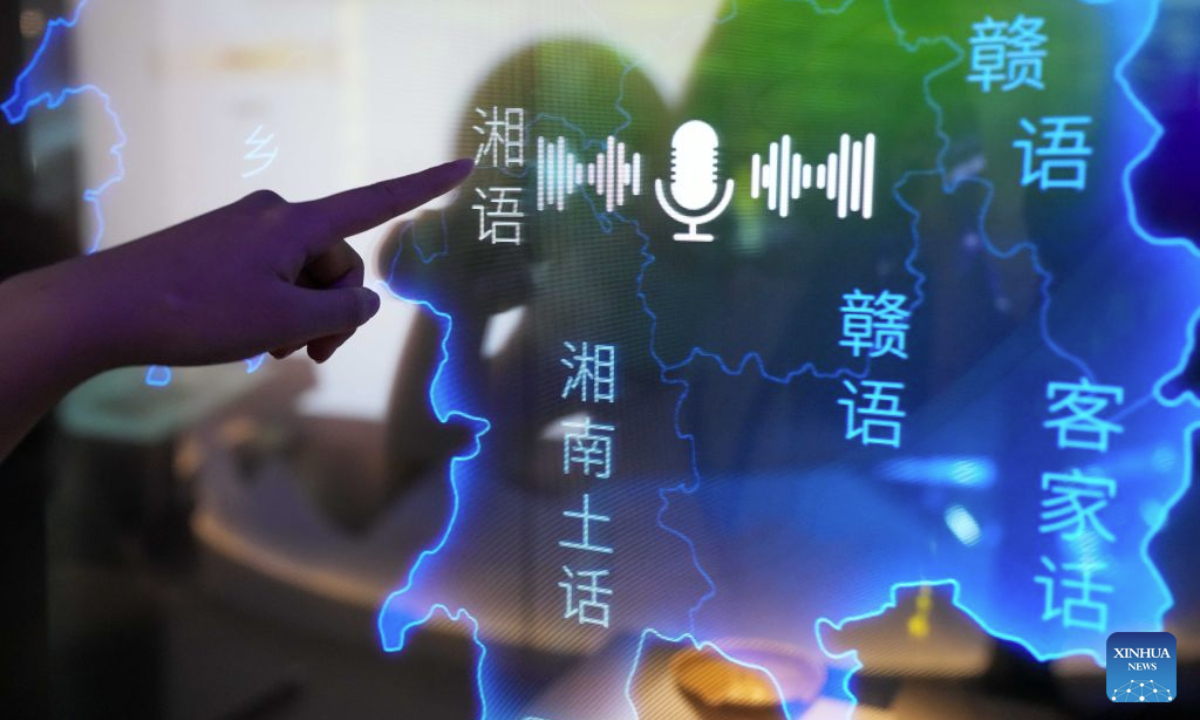
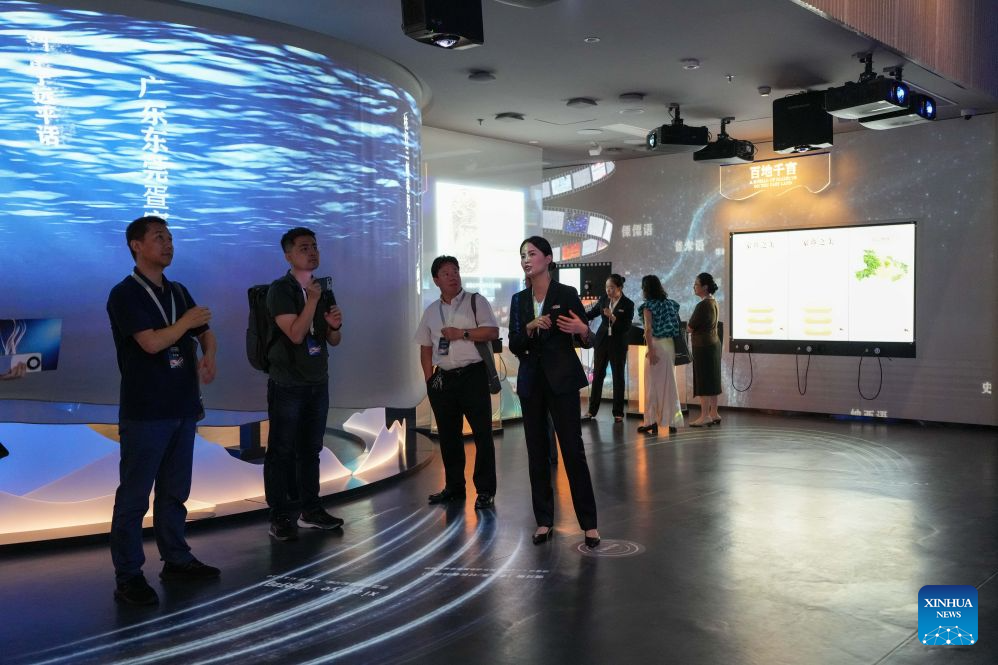
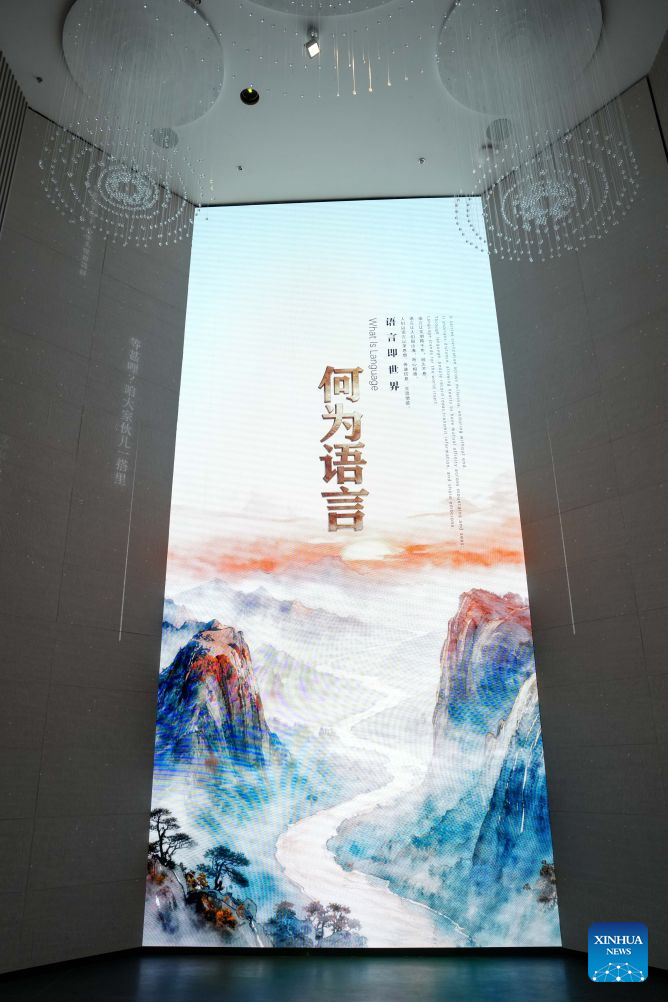
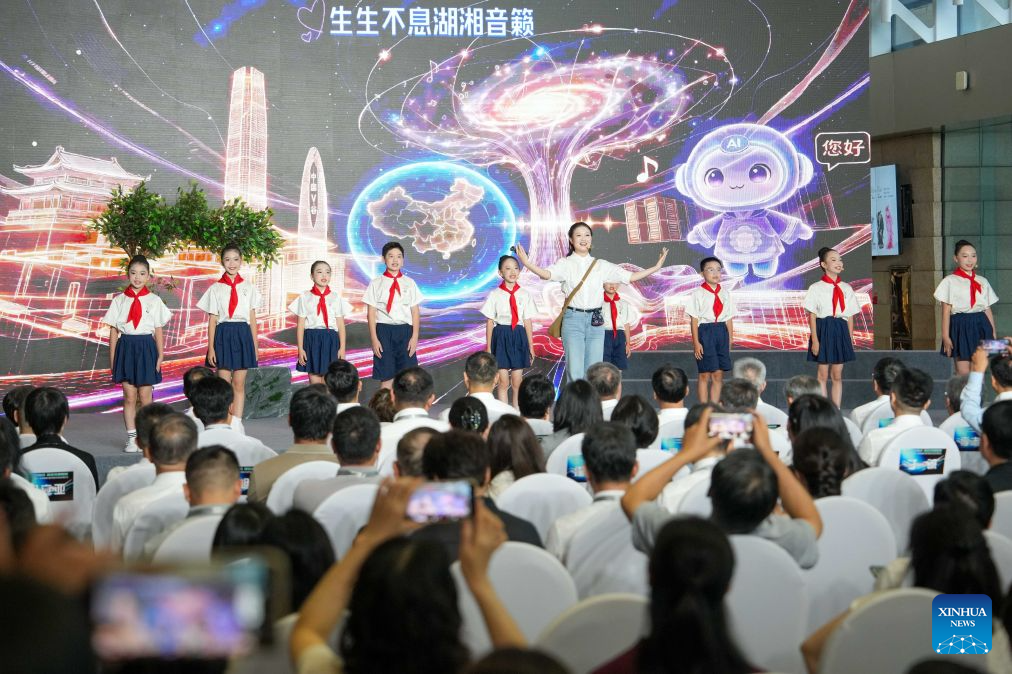
The Exhibition Hall of the Project for the Protection of Language Resources of China opened Monday in Changsha, capital of central China's Hunan Province, bringing decade-long efforts to document languages and dialects to the public through digital and interactive displays.
Located in the Hunan Museum, the exhibition brings together recordings and other language materials collected from more than 1,800 field survey sites across China. More than 30 language-related cultural relics are also on display.
The recordings represent 10 major Chinese dialects and more than 100 ethnic minority languages, including Mongolian, Tibetan, Uygur and Zhuang, said Chen Xuliang, deputy Party secretary of the Hunan Museum.
"Digital technology is helping bring the results of language preservation research out of databases and into public cultural spaces," he said.
The exhibition draws on materials collected through a national language preservation project launched in 2015 to document and preserve the country's diverse languages and dialects. It is the world's largest project of its kind, according to experts.
Over the past decade, researchers have traveled to remote mountain villages and pastoral areas to find native speakers of different ages. They systematically recorded words, grammatical examples, oral traditions and other language materials, turning oral memories at risk of disappearing in digital records that can be preserved for generations.
The work has become increasingly urgent as the number of native speakers of some languages declines.
China is home to more than 100 languages and numerous dialects. Some languages, including Hezhen and Manchu, now have fewer than 100 speakers.
Economic integration, population mobility and the social changes they bring are making it increasingly difficult to preserve languages and cultural traditions around the world, said Wang Lining, a professor at Beijing Normal University's School of Chinese Language and Literature and a participant in the language preservation project.
Many languages lack well-developed writing systems, Wang said, meaning knowledge and memories passed down orally can be lost when their speakers die.
The new exhibition aims to bring such preservation work closer to the public. It also promotes the principles of the "Yuelu Proclamation," which was officially released in 2019 and described as UNESCO's first permanent document themed on the protection of linguistic diversity.
Experts attending the exhibition's opening said a key challenge is how to use artificial intelligence and digital museum technologies to turn vast collections of field recordings into cultural experiences the public can engage with.
For Wang, documenting endangered languages is only the beginning.
"In the past, the focus was on recording endangered languages and preserving samples of their voices," she said. "In the future, preservation needs to move toward keeping languages alive."
The exhibition hall, Wang said, is part of that shift, taking language resources beyond academic research and bringing them closer to everyday life.
。
Current article:http://www.zuanniangwandangliaolinechu.sbs/news/20260826_567.ppt
Published on:00:37:33